Dale Farm bees and honey
Dale Farm honey is available for purchase in our shop, Monday- Friday, 10am – 2pm, please contact us for availability.
Nestled in the meadows of Heswall Dales, our farm is home to thousands of honeybees that produce our award-winning Dale Farm Honey.
Our hives have been a source of pride for many years. Nectar gathered from the surrounding heather and gorse gives our honey its distinctive floral aroma and flavour.


Visiting the Bees
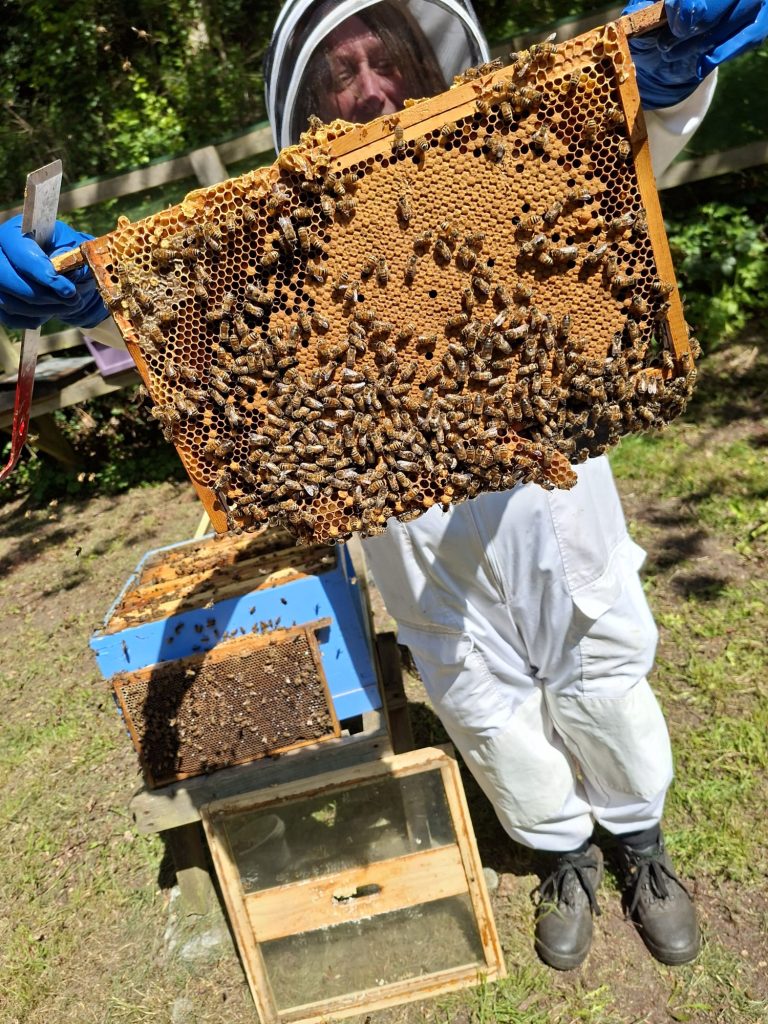
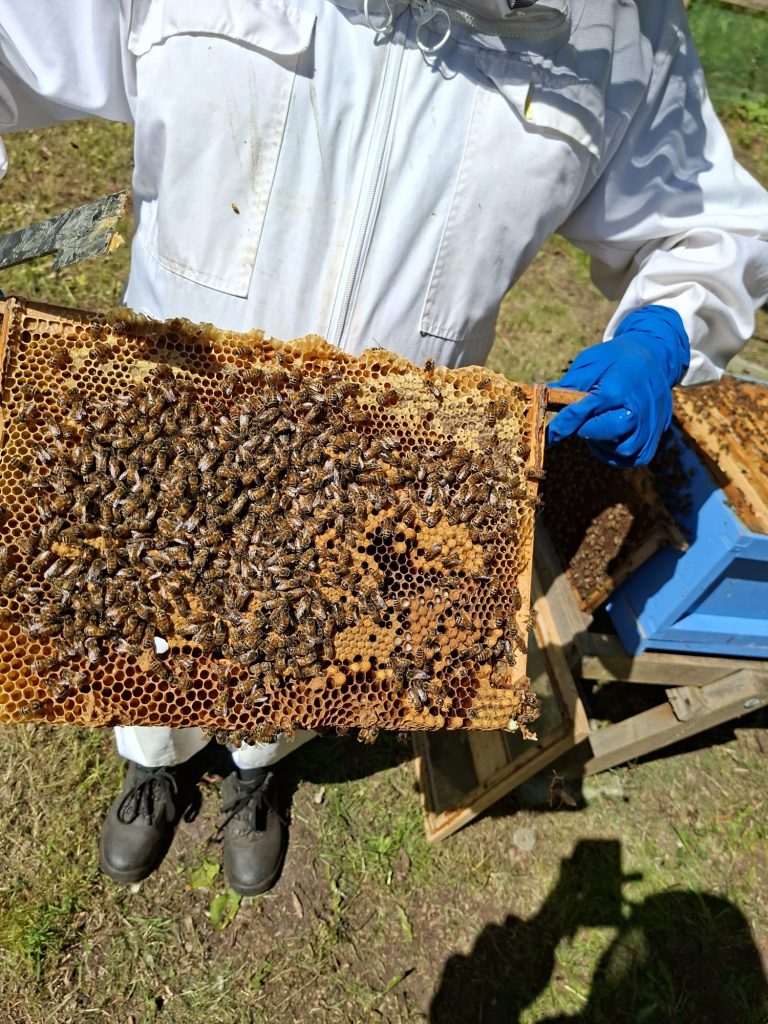
Visiting the bees is one of the favourite activities of the people we support. We also spin the honey at the farm, ready for sale in our shop and at our events.
2024 The Year of the Bee
This year, we plan to improve bee care by expanding training for the people we support, as well as staff and volunteers.
Zeb, Dale Farm’s manager, and the staff have led efforts to improve bee care, honey production, training and the inclusion of the people we support. We also plan to strengthen the management and development of our beekeeping and related activities.


Bee training Course
In March, many staff and volunteers completed training to deepen their understanding of Dale Farm’s long-term beekeeping goals, including bee care and maintenance, honey production and related projects.
Following this training, we aim to help the people we support enjoy caring for our bees. Our priority is to share knowledge and skills in ways that are effective and accessible to each person. By doing so, we hope to build confidence, encourage independence and create a sense of fulfilment.
We would like to thank Sunlight Bees for delivering such a thorough and enjoyable course, and for their continued support and encouragement of our bee-related activities.
Aims of the Course
- Increase the involvement and understanding of the people we support across all aspects of bee care, including honey production, year-round hive maintenance, record-keeping, hygiene, safe gowning and first aid.
- Provide more comprehensive training for volunteers and staff in bee management and honey production.
- Improve hive records and maintenance practices so they are accessible to the people we support and comply with relevant legislation.
- Provide dedicated equipment for each hive to reduce the risk of disease spreading among our bees.
- Build stronger relationships with local beekeeping associations to expand our knowledge and raise our profile within the community.
- Engage Sunlight Bees to provide training and advice on our beekeeping, honey production and continued legislative compliance.
- Create and assign a clear list of roles and responsibilities for staff and volunteers.


Hive Maintenance and Beekeeping Schedules
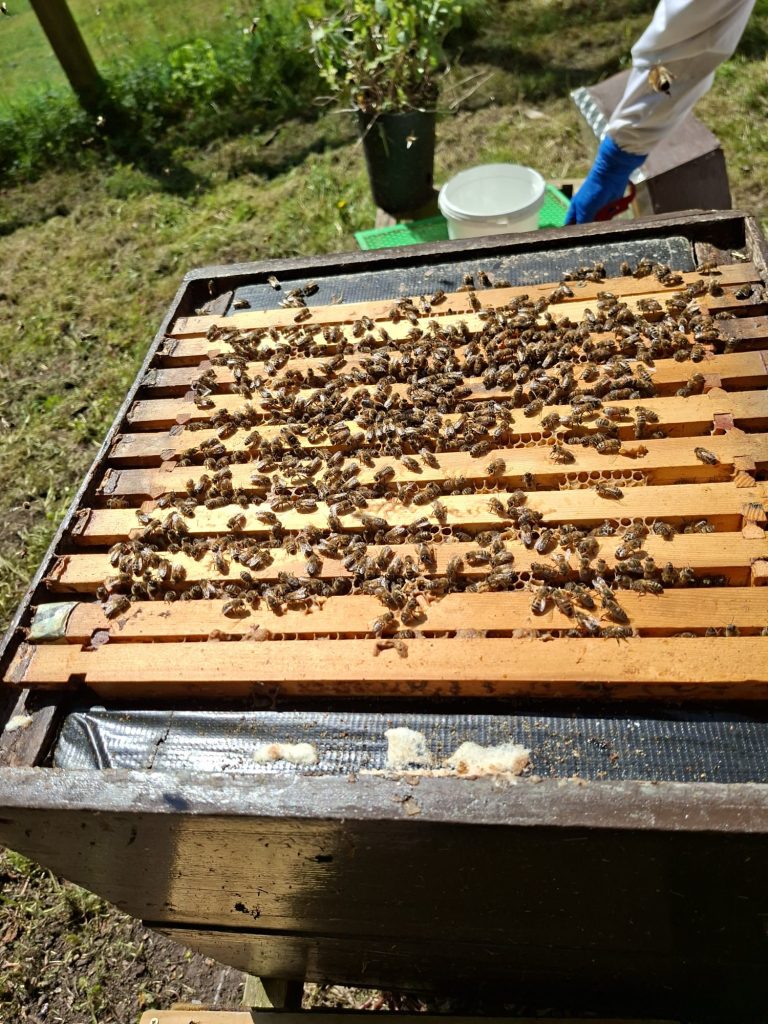
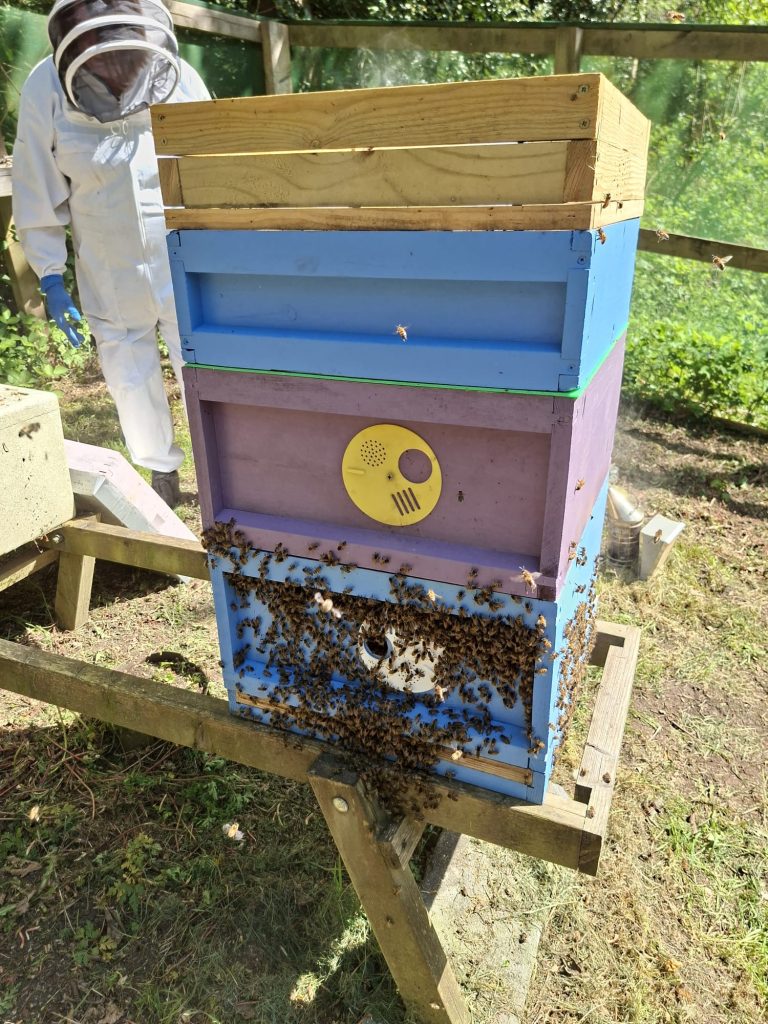
After nearly three years without a hive maintenance programme, we recognised that several hives needed attention. During and immediately after the training, everyone on the farm began implementing the comprehensive improvement plan recommended by Sunlight Bees.
The people we support have been making new beehive frames, maintaining bee boxes and applying two coats of bee-friendly paint to the hives.


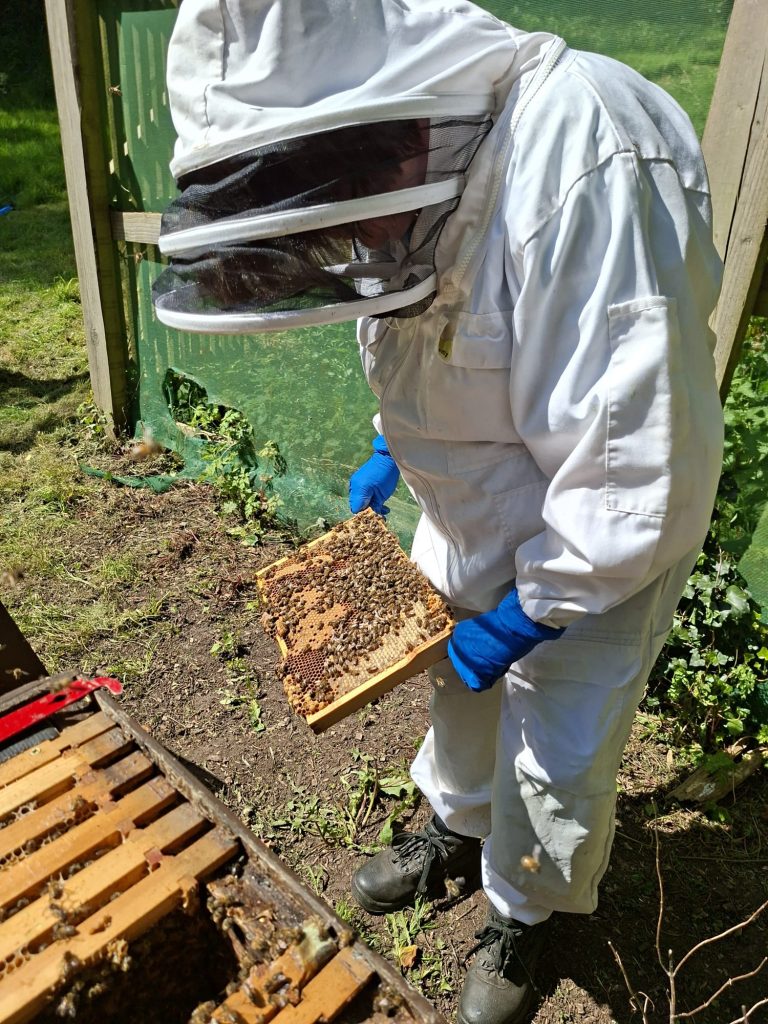
We stored much of our hive equipment in the honey room over winter. Before the new season begins, we are thoroughly cleaning, sterilising, repairing and replacing it as needed. Sunlight Bees are guiding us through the process, and everyone on the farm is committed to keeping our bees healthy and ready to produce plenty of delicious honey.
The old equipment shown will either be sterilised for reuse or discarded. We are also giving the honey room a complete overhaul before the new season and honey production begin.
Moving Forward
- Ensure the people we support are included in every task we undertake.
- Increase the number of hives on the farm to produce more honey.
- Arrange further honey-production training with Sunlight Bees later in the season.
- Train significantly more people in food hygiene to increase the involvement and supervision of the people we support in honey production.


New Bees on the Farm
With the help and support of Sunlight Bees (Helen and Ang) we have introduced a new nucleus of bees to our hives.


Risks to Bees
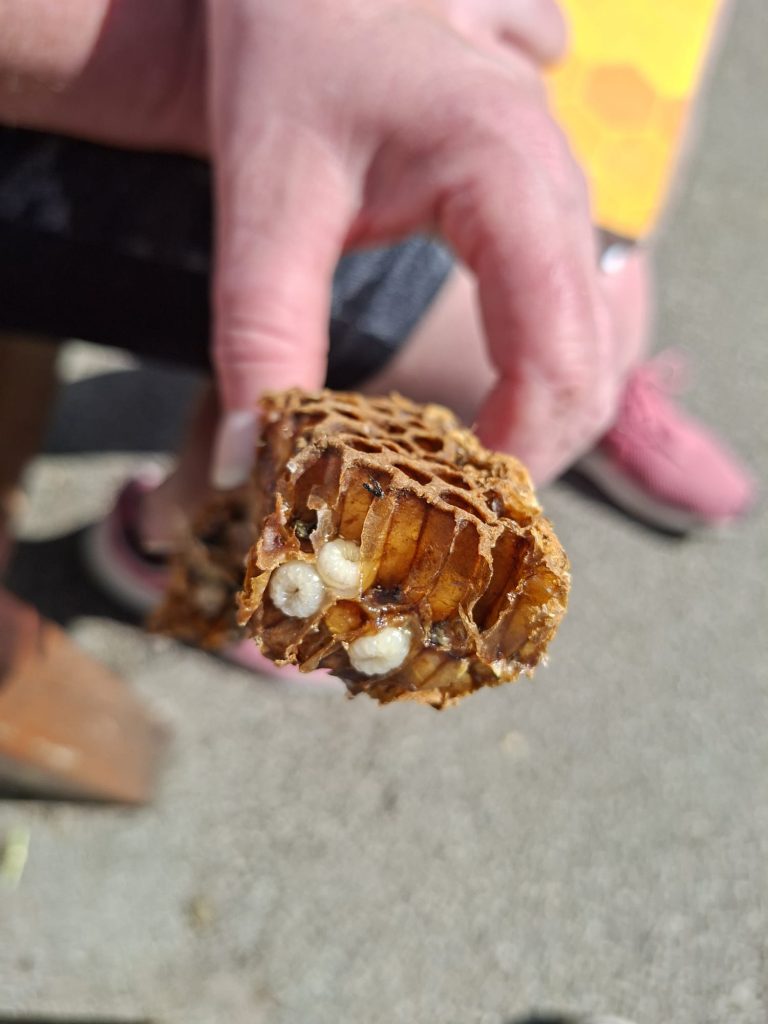
We are committed to protecting our bees and recognise the global threats they face. We monitor our colonies for parasites, fungal infections and invasive species. Britain has lost 97% of its wildflower meadows since the Second World War, making Heswall Dales a rare pesticide- and chemical-free heathland where our bees can forage. We also offer beekeeping training to anyone on the farm who wants to learn more about our bees.
Honey Recipes
Honey is not just for drizzling on your breakfast. There are plenty of mouth watering recipes you can tempt your taste buds with, or simply enjoy all those wonderful flavours on their own.
