Everything is Wonderfully Rosy at Dale Farm
It has been very warm here at the farm. We have been thinking of tasks to do that are less strenuous, that would still be useful. We decided to take some rose cuttings as an experiment.
Grafting roses
Traditionally, rose growers graft the rose they want to grow (scion) onto a stock (rooted rose stock). Rose root graft stocks serve as the robust, vigorous foundation for a desired rose variety to grow upon. They act as the engine of the plant, providing strong root systems, adapting to local soils, and accelerating the early growth of beautiful but delicate rose varieties
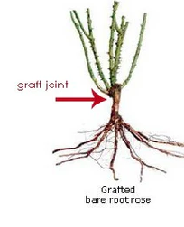
If you grow roses you will be able to see the graft above soil level (as long as you haven’t planted the rose too deep).
Below you can see images of where the roses (scion) has been grafted onto the stock.
The root stock determines the growth rate and size of the rose and whether the rose will be a climbing rose or a shrub rose etc.
Taking cuttings directly from rose bushes
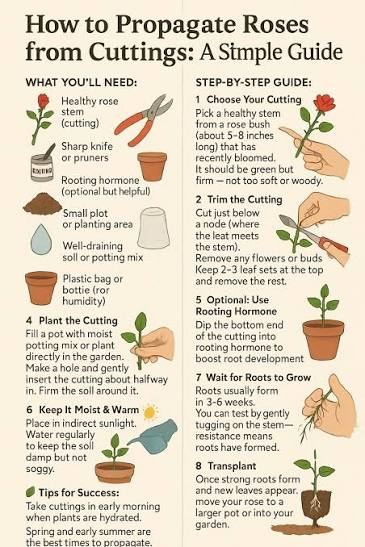
These cuttings are taken directly from the rose bush. Remember, there will be no root stock to graft the rose onto and so the size and vigour of the eventual plant will be different from any grafted rose you took your cuttings from. This is the type of cuttings we will be taking.
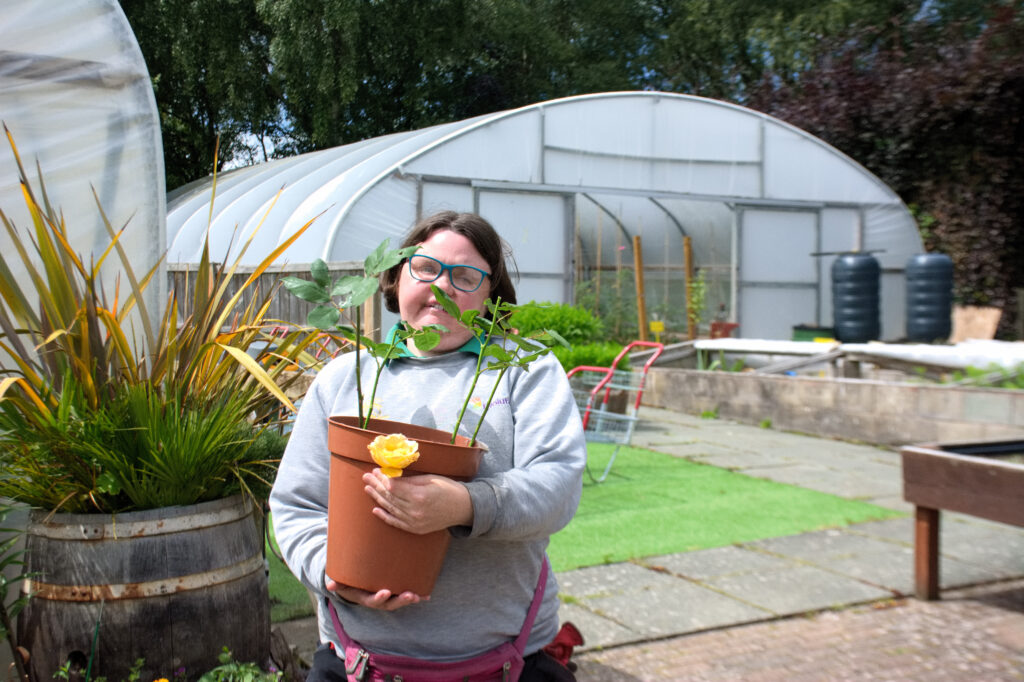
We have some beautiful roses around the farm, they are really stunning and many smell fantastic, so we thought why not try and grow some more from cuttings.
Perhaps our cuttings were a little too long, but we are still learning. When the plant begins to shoot from the bottom we can cut this stem slightly shorter in order for it to shoot from lower down on the stem.
We are using this blog to create a visual record of the roses. There were no identification tags on the roses, so we named them after the people who took the cuttings.
Lets hope for some success!
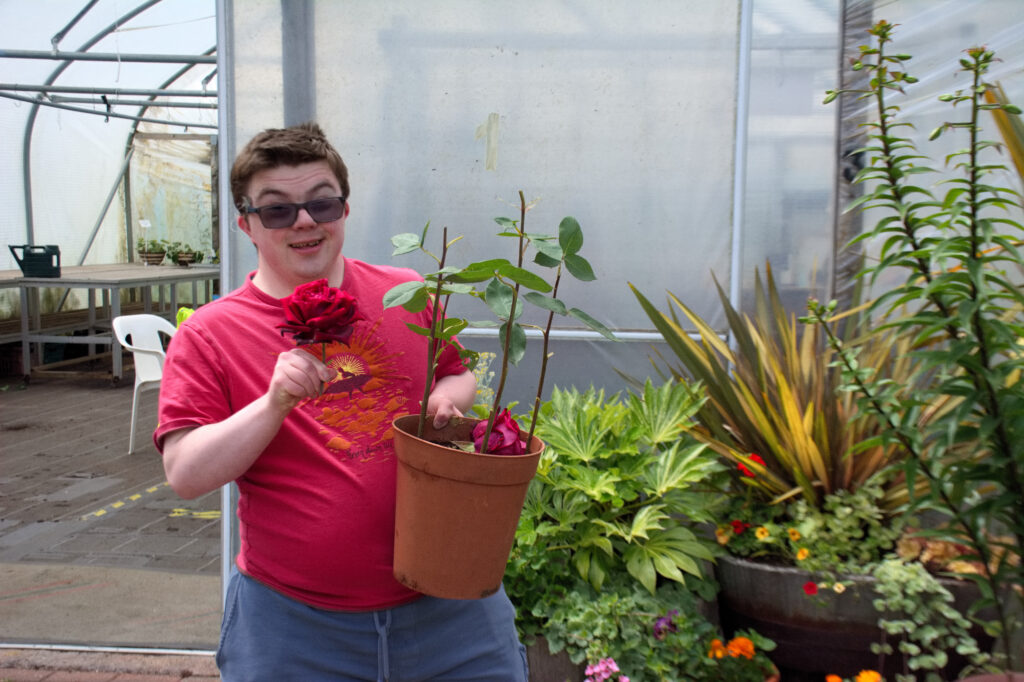
Alister 1
Alister is modelling his cuttings taken from a stunning red rose. The rose appears to have different tones of red as the light highlights or casts shadow on the petals.
This is a very large rose and would appear to be a Hybrid Tea rose. This type of rose were first created by crossing robust, vigorous Hybrid Perpetuals with the more tender, long-flowering Tea roses.
Alister chose this rose because of exceptional colour and strong scent. The rose seems to be free of disease and has very strong stems. The cuttings are identified as Alister 1.

Lizzie 1
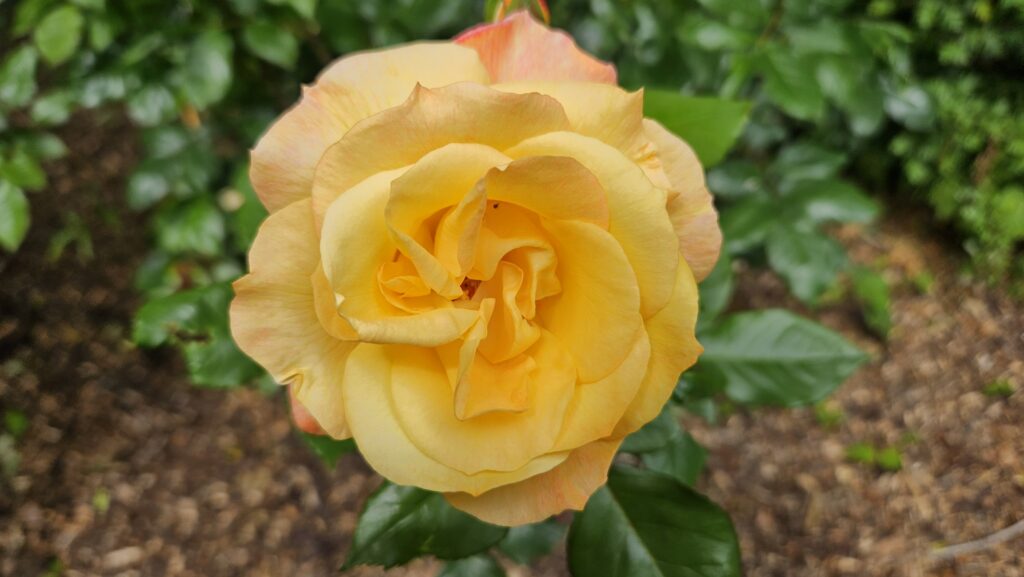
Lizzie loved this yellow rose, with pink tones on towards the edges of the petals.
She particularly liked the scent of this rose, being very sweet and strong. This would appear to be a Floribunda rose, which, are the result of crossing Hybrid Tea and Polyantha roses.
Another strong rose, that looks free of disease. We called this rose Lizzie 1
Lizzie has passed her Open Awards, Level One in Horticulture.
Michelle 1
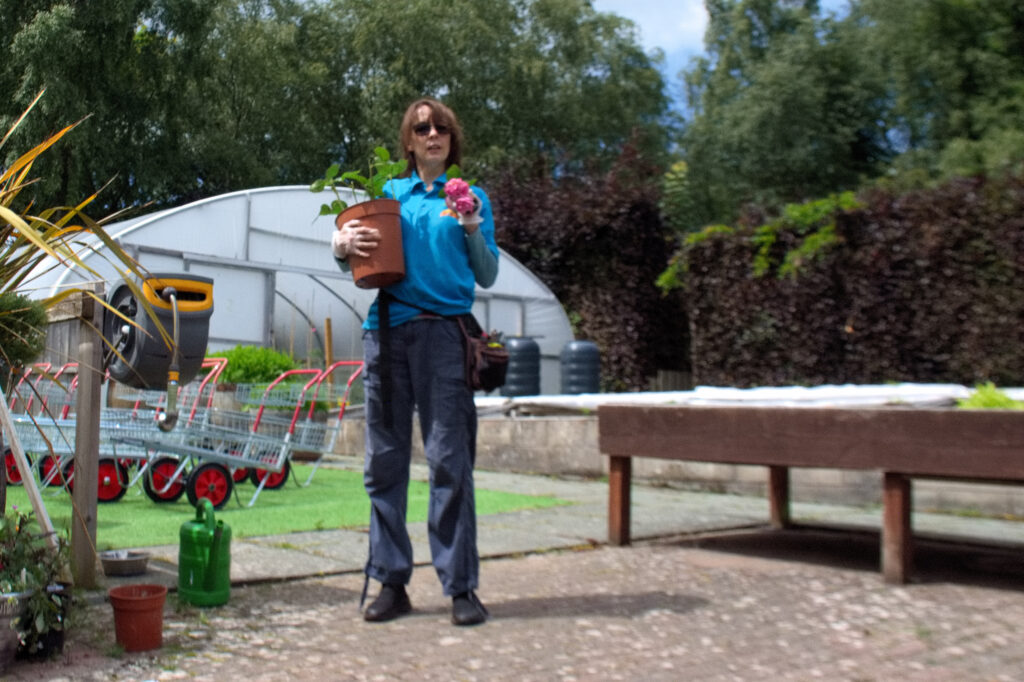
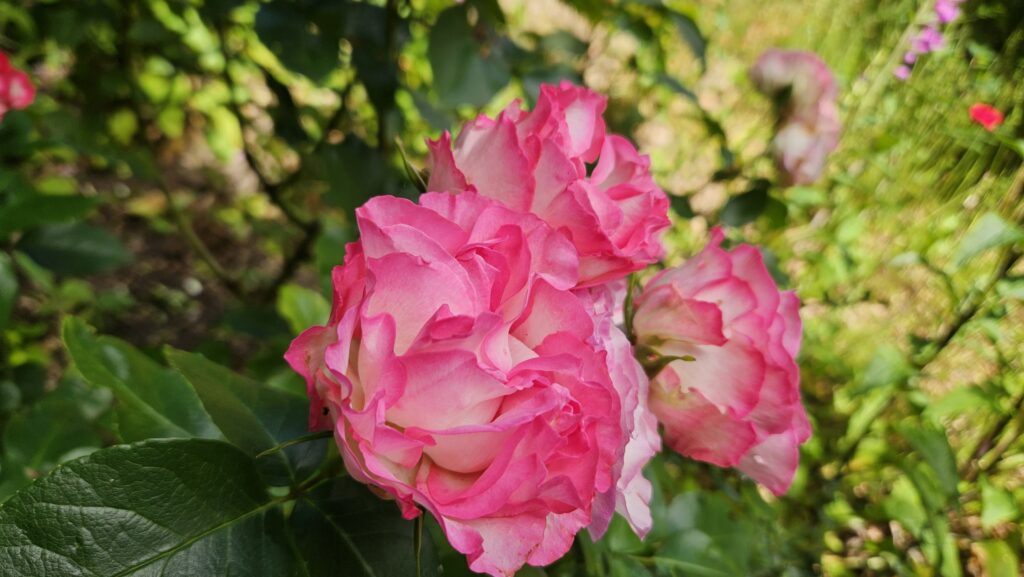
Michelle chose this rose, purely as she likes pink and apricot roses best. The edges of the rose are dark pink, which lightens to a paler pink and finally white. The rose has little scent and disease resistant.
The rose would appear to be a Floribunda rose.
Lizzie 2
Lizzie 2 is a rich mix of apricot, pink and yellow tones that fade towards white at the centre. We would guess this is a Hybrid Tea rose.
The rose has a strong fragrance and the plant appears to be disease free.
Michelle 2 and 3
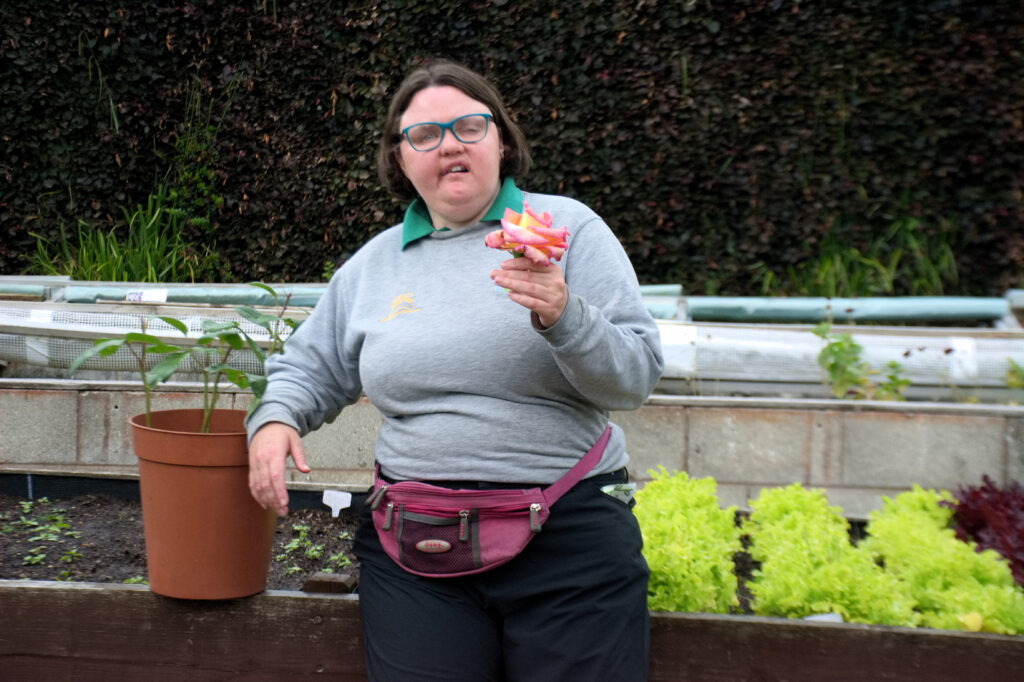
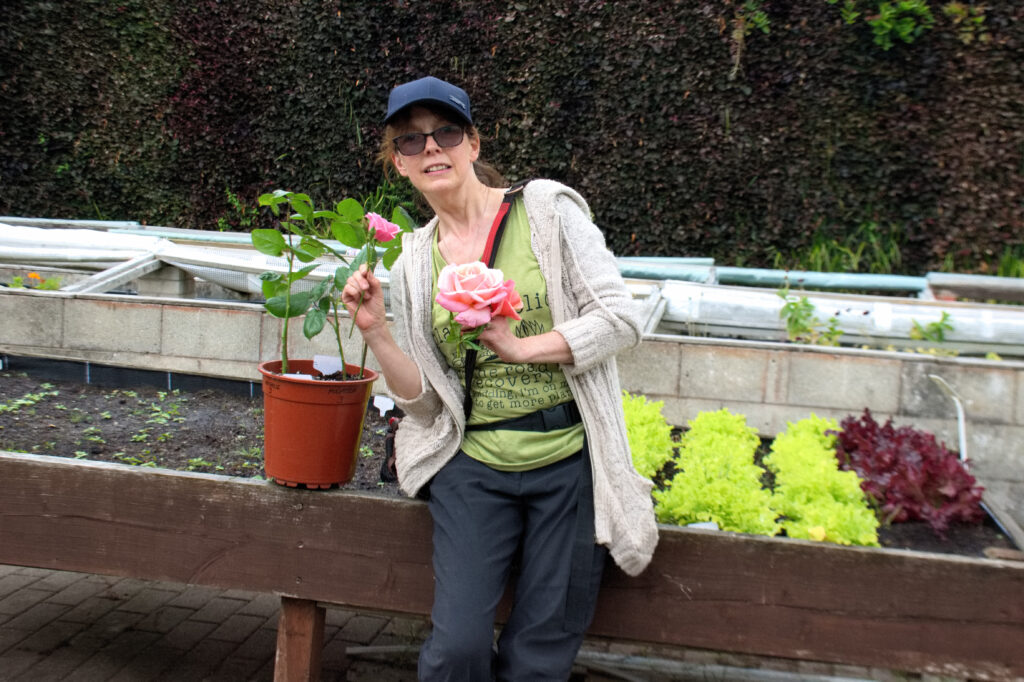
Because there was less cutting material, two cuttings were taken from two different roses and transferred to the same pot.
Michelle 2 is a smaller very neat mid pink rose, it comes from a smaller rose bush (possibly due to the stock it was grafted onto). The rose has a mid fragrance and looks more like a more modern rose type.
Michelle 3 is a mid pink rose that fades to lighter tones of pink as the rose ages. This rose has a strong sweet smell.
Both rose bushes would appear to be pretty disease resistant.
How to care for your rose cuttings
Remember to keep your rose cuttings well watered at all times. Rose cuttings will begin to start growing, even when they do not have an established root system. To avoid early disturbance, ensure that they have had significant new growth, for at least a couple of months.
Pot on the rose cuttings, growing them on for a year or two in a new pot until they have an established root system before transferring them into your garden.
Roses are very hungry plants, do not forget to feed them with rose food or another plant food, which works well with your other roses.
Links
Here are some links to help with rose care
David Austin is perhaps a name that most people have heard of and they are one of the countries most prominent rose growers.
Gardening Help UK shows gives details of how to take rose cuttings.