Where do bees go in winter
The UK is home to more than 250 species of bee, including 24 different types of bumblebee and one domesticated honeybee. The rest – around 90%, in fact – are all solitary bees. They’re all very different, and they don’t all behave the same way in winter.
Bumblebees
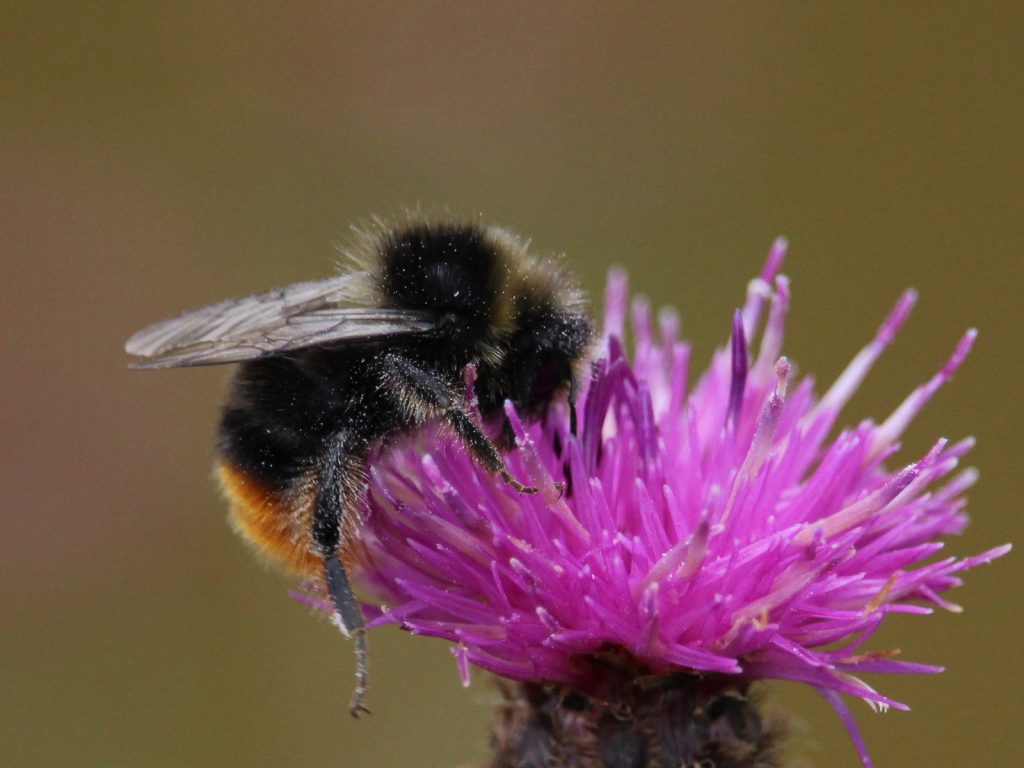
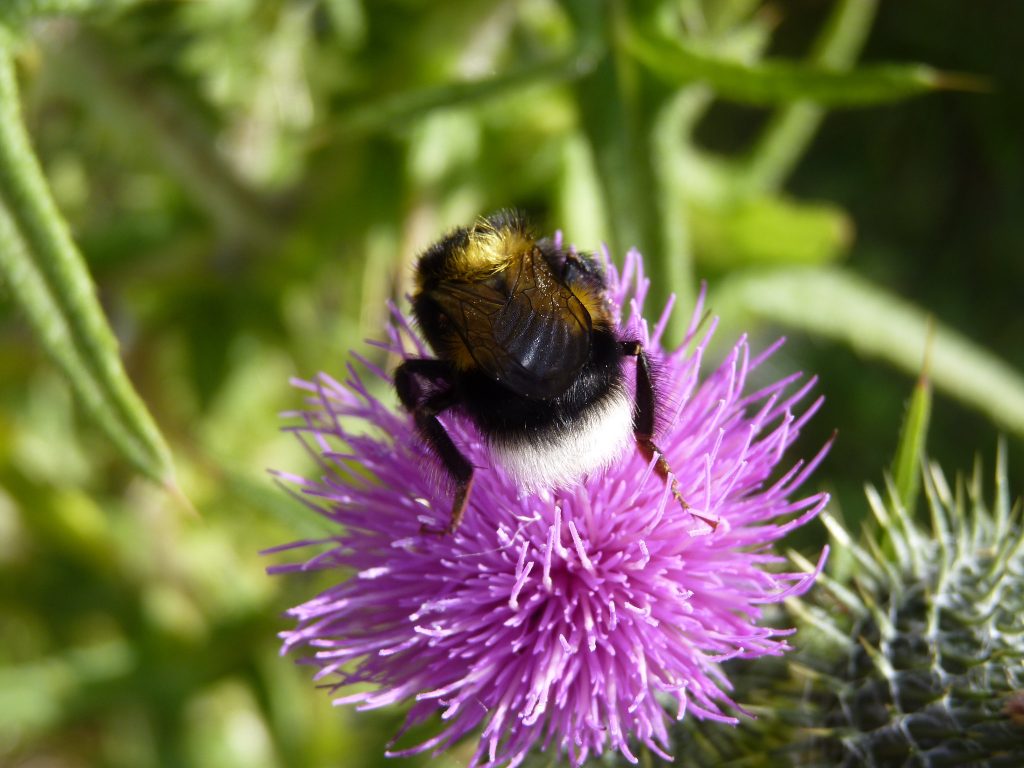
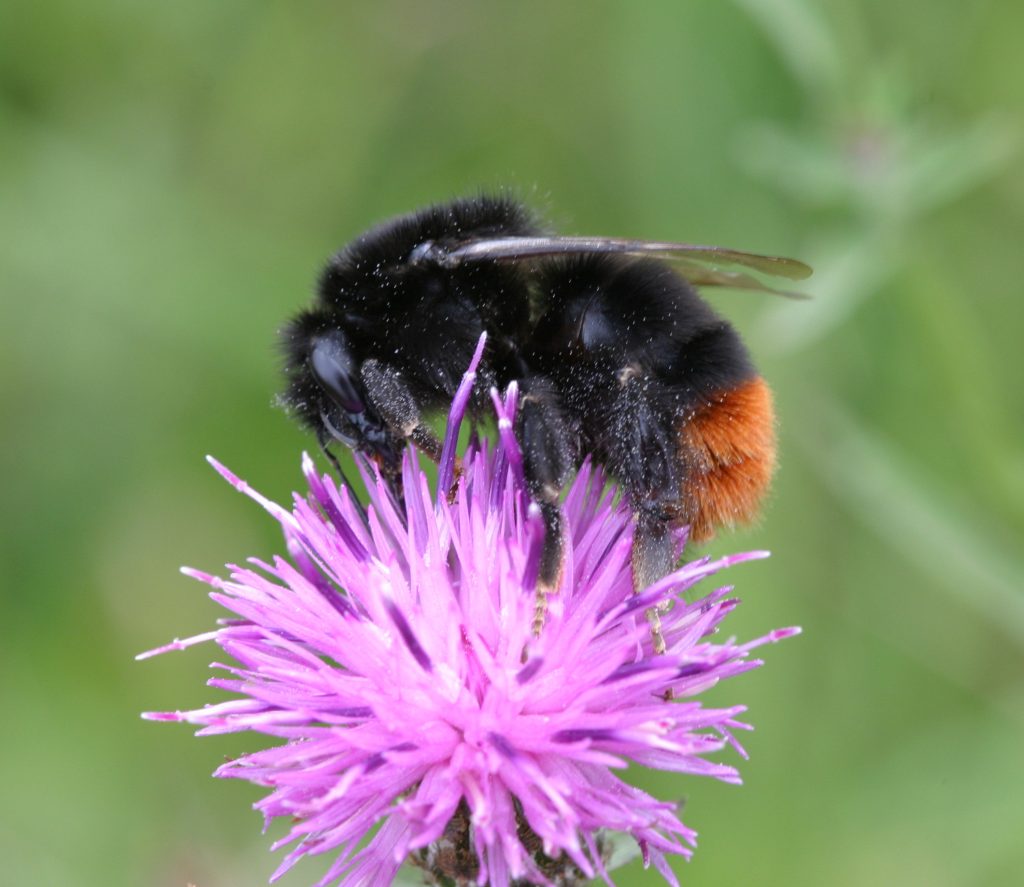
Nearly all bumble bees die at the end of summer, but queen bumblebees behave a like hedgehogs and hibernate for the winter. Before the winter they fill themselves with nectar and hide away underground in loose soil, banks of earth and sometimes even in flowerpots in your garden.
In spring the queens emerge from their winter isolation to replenish their energy with nectar from flowers. They’ll then look for the perfect nest site. The queen will have mated before hibernation and now lay their first brood of eggs in early summer.
Solitary Bees
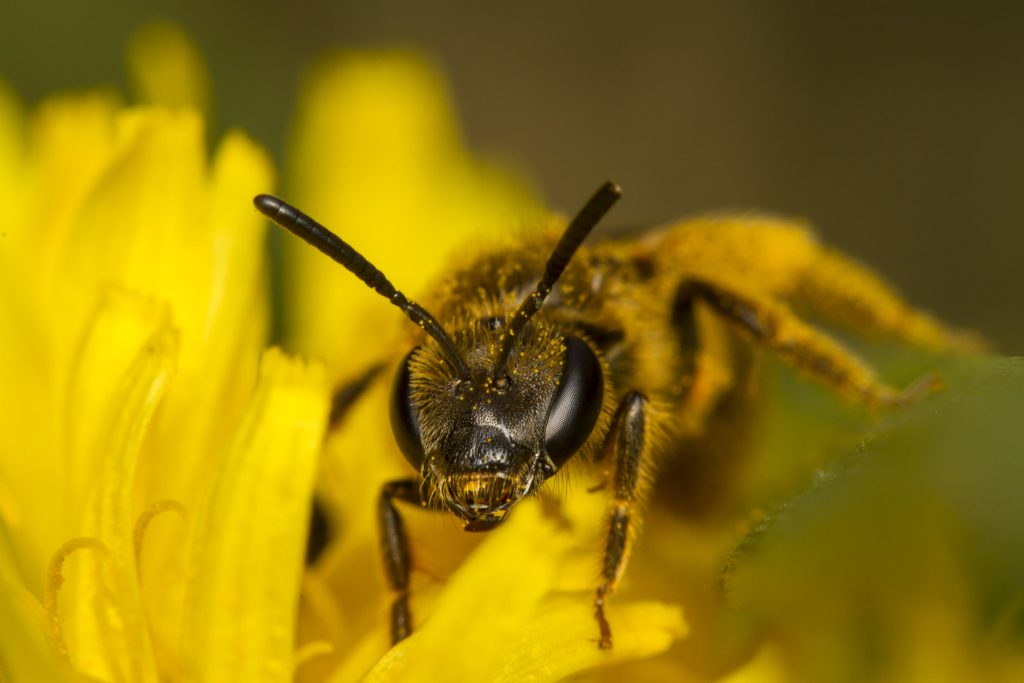
Solitary Bees such as mining bees behave differently to our furry little bumble bees. Adult bees hibernate after living through the summer, females bees mate and lay their eggs in their nest at the beginning of spring, the baby grubs, which look like maggots, feed and grow to form adult bees, which emerge in spring after hibernating for the winter.
How you can help bees in winter:
- avoid digging in your over the winter.
- leave your compost heap alone over winter.
- try to leave dead leaves in winter.
- Grow winter flowers such as Clematis cirrhosa, crocus, hellebores, mahonia, sarcococca, snowdrops, winter aconites (Eranthis hyemalis), winter heathers (Erica carnea) and winter honeysuckle (Lonicera x purpusii), which will feed the bees when they first come out of hibernation. Find out more about plants for bees.
- try not to cut back perennials that have died back for the winter, bees may hibernate here.
- if you find a queen bumblebee in winter, don’t ignore her. Try giving her a teaspoon of sugar water, if she drinks it, it will give her enough energy to fly to a new hibernation site, or start a nest.